EN
EN


How to Clean and Protect a Metal Storage Locker from Rust?
How lockers become rusted
Rust occurs due to the reaction of metals like steel and iron to oxygen and water. This reaction happens more quickly in humid areas or areas that do not have good airflow. Even the best steel lockers will start to corrode if they are not maintained properly and this corrosion will start to eat away at the metal increasing the risk of weakening the structure and shortening the lifetime of the lockers. Materials science indicates that rust is the number one cause of short longevity in lockers, and without proper maintenance, the steel will corrode by ~0.2mm per year in high moisture environments. This is a sign of the importance of rust prevention and care. In addition, regular care on lockers preserves the appearance and load bearing capacity of the lockers, thus avoiding costly replacements.
What are the best cleaning techniques to use on metal storage lockers?
An appropriate first step is to clean the lockers using the gentlest cleaning methods to avoid damage to the factory coatings on the lockers. Use a soft microfiber cleaning cloth and a non abrasive mild detergent, mixed with warm water. This will wash away the dust and other particulates from the surfaces of the lockers, as well as oils and other substances that have adhered to the surface. Use the soft bristle nylon cleaning brush to assist in the cleaning of the corners and joints of the lockers. Use care when using cleaning chemicals, as they can lead to the removal of the factory protective coatings on the metal lockers. Use a cleaning cloth that does not leave lint to assist in the drying of the surfaces. You should dry the gaps, hinges, and locks, as they are areas in which moisture can be trapped. Facilities management recommends that all surfaces are dried within ten minutes of the washing in order to reduce the risk of water seeping into small gaps in the surfaces and initiate the start of the rust reaction in those spaces.
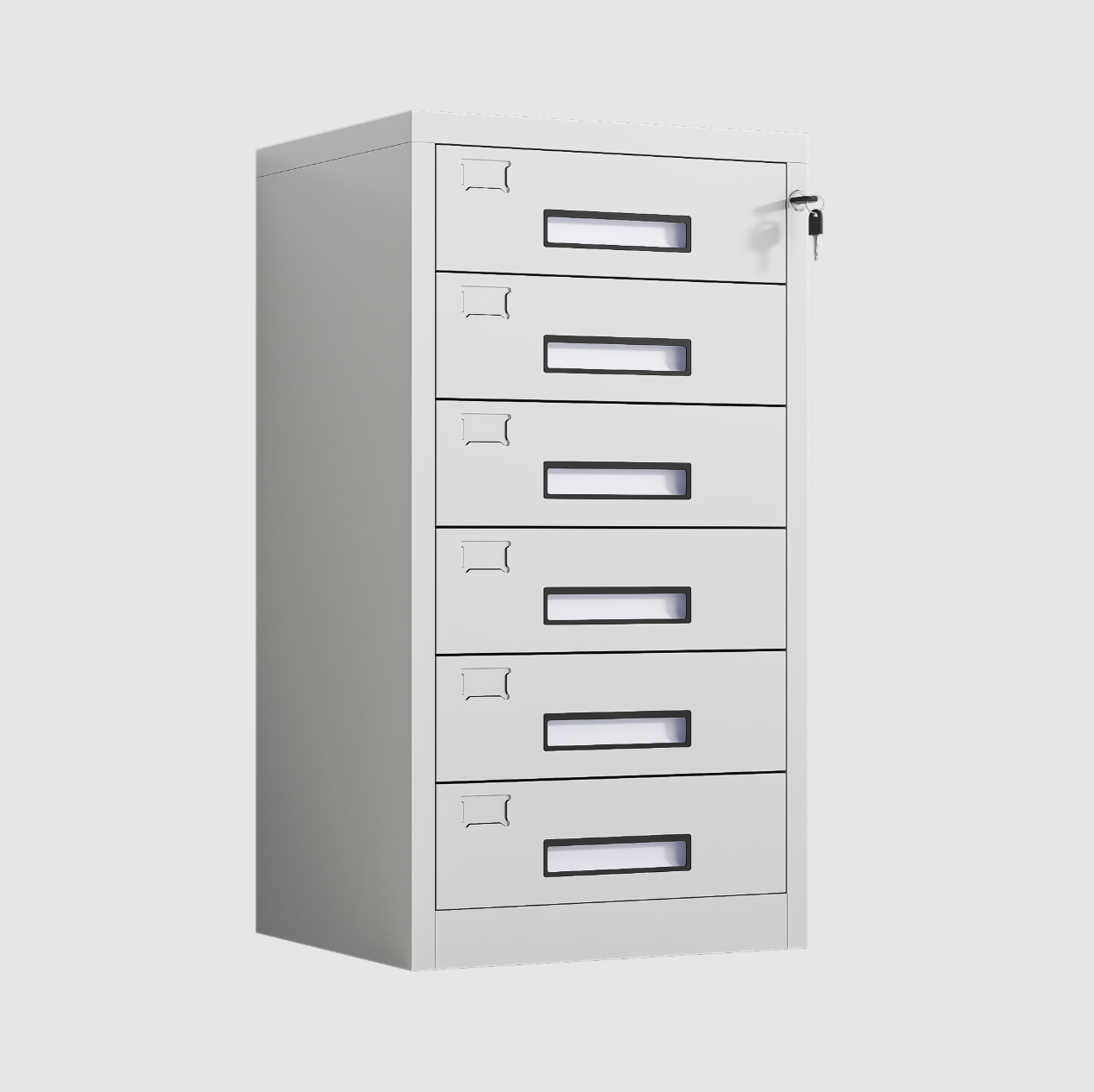
In order to avoid damaging surfaces, stripping rust can be done by soaking a cloth in white vinegar, and wiping it on the rust, before letting it dissolve the rust for a period of 30 to 60 minutes, then wiping it down to clean it and dry it afterwards completely. Rust on metal surfaces can be removed by using steel wool or aluminum foil to rub the surface with the grain, and to avoid leaving scratch marks. Do not use power tools or coarse sandpaper, as surfaces and coatings can be removed for rust refinishing. Protective coatings rust prevent paints to avoid the cycled moisture and rusting effect to avoid treatment for long haul rusting of refinishing to experts even for severe rust.
Create protective surfaces to avoid the moisture and rust to prevent treatment from lasting. Create prevent protective layers by using covering coatings. wax, or a fabrics protector, Create coatings so to avoid moisture and rusting cycles. Avoid the covering protector in the moisture cycles by positioning the covering protector in the covering covering to the constructed covering shell of the to the surface. Units coverings with the moist and the dehumified and dried to the constructed covering to avoid the moisture cycles.
Daily Maintenance Habits to Extend Locker Life
Small daily efforts make an impact on preventing rust. Remove spills and moisture from lockers immediately. Lockers should be inspected monthly; touch up paint should be applied to visually damaged surfaces before rust appears. Ensure lockers sit level by adjusting stabilizing levelers; this will prevent coating and metal from being exposed by wear. If items are damp, do not place them directly in the locker; use a bin or a shelf outside the locker. Following these guidelines will help lockers maintain condition for long and good use.
Material and Manufacturing Advantages for Durability
Lockers made from high-grade steel and premium powder coating offer better rust resistance from the start. Youbao lockers are made from thick cold-rolled steel plates, coated on both sides by powder coating, and electrostatic for a slick, tough layer that resists moisture, scratches, and corrosion. These lockers are made with state-of-the-art technology, as well as meeting international standards for a proper quality inspection, safety, and environmental protection. Following these instructions for cleansing and protection, the lockers will keep their ideal function and look, with long-lasting value for homes, offices, schools, and commercial facilities.